
Ikaria, Greece: Blue Zone Longevity Nutrition
We all tend to take away information from other countries and cultures through the lenses of our own perception. Americans have an even stronger tendency to boil nutritional information and wisdom down into highly restrictive diets and create popular fads. My experience of all the blue zone’s books, shows/documentaries, cookbooks and diet plans was that I suspected this was the case. I was pretty sure that some more balance and critical information may have been missing. While visiting the beautiful blue zone island of Ikaria in Greece I discovered my suspicions were correct and I found the information I was looking for.
I found that the true longevity diet is not a diet at all, but a lifestyle that involves healthy, nutritious foods, healthy habits and a much more holistic approach to longevity. It is important to note that we can eat healthy nutritious foods and even exercise, but if we have unhealthy habits around sleep, stress, mindset and relationships (with ourselves and others), there is no amount of healthy food or exercise that will create optimal health, reduce the risk of disease and create longevity. I wanted to say that front and center! I will write a follow up piece on all the holistic aspects to consider adopting to truly optimize your health and longevity. For now, let’s focus on Ikaria’s longevity nutrition…
Surprisingly the Ikaria’s longevity nutritional approach is much less restrictive than you would imagine. It is focused on balanced, nutrient rich foods, a mindful approach to food sourcing, preparation (to maintain nutrients), eating fresh and in season, specific food pairing and of course, very high (in comparison to the SAD diet – Standard American Diet) in healthy fats. In fact about 30% of their daily calories come from healthy fats such as olive oil, nuts and seeds, fatty fish, egg yolk and avocado.
What do they restrict? The only thing that most Ikarian’s who are or are on the track to becoming centenarians do not eat is refined sugars, fried foods and processed foods. Additionally they steer away from eating bottom feeders (shellfish). But there is much more to consider ‘moving towards’ or adding from their culture around nutrition and only a few things to ‘move away from’ which is to limit, reduce or avoid. As I have been saying for years, we need a more kind and balanced approach to food. One that promotes health and longevity, does not create more stress in our lives and one that reduces the risk of illness and disease. Food is our medicine and one of the most powerful forms of medicine we have in our medicine cabinet or health toolbox.
Let’s first take a deeper look at the US approach to nutrition historically and where that has led us…
The SAD diet is based on a very unhealthy food pyramid that has been taught in schools for decades.
‘In 1974, the first food pyramid was presented to the public with the following message: “A good, healthy diet at a reasonable price”. This pyramid was made up of 3 parts: The base included basic foodstuffs considered essential to the individual’s wellbeing: cereals, dairy products, pasta and potatoes.’ – Alimentarium
In 1992, The US Department of Agriculture developed and published for the public, a food pyramid that impacted the way most people think about their diet and shifted their daily intake. At the bottom of the pyramid were grains and starches, telling us that the bulk of our diet ought to consist of carbohydrates like cereal and bread. Up at the top—in very moderate amounts. Here is a visual –
‘The Pyramid’s emphasis on eating carbohydrates and avoiding fats has been blamed for rising rates of obesity in the U.S. The nation’s food guide has since been updated several times, and now the USDA uses a plate graphic design to promote healthier eating—though it’s still far from ideal.’ – Levels Health
This has led the US and many other nations who unfortunately follow our lead to rapidly increase rates of obesity, type two diabetes, cancer, heart disease, dementia and Alzheimer’s disease. There is a solution, one that allows each of us to become empowered to optimize both our current state of health and our longevity. It calls for a return to a more holistic and natural approach to nutritious foods, the way that most centenarians around the world eat.
So now let’s unpack WHAT they eat and HOW they eat it in the blue zone of Ikaria, Greece…
Before I share a few key elements of WHAT & HOW they eat, let me share with you the Ikarian approach in a food pyramid format that I put together –
Now that you have a visual pyramid to guide you, let’s dive into the other key HOW’S & WHAT’s
Balance –
Eat meal consists of a balanced plate with the following included in each meal
- Healthy fats (add organic virgin olive oil to everything, yes, everything and ideally after it has been cooked)
- Leafy raw greens
- Carbohydrates
- Proteins
- Probiotics
Nutrient rich foods –
This means whole fresh foods, minimally or not processed, not genetically modified, organic and prepared in ways that retain the nutrients (more on this later).
Plant forward –
This does not mean vegetarian or vegan at all. Plant forward means a focus on consuming large amounts of vegetables and legumes. Think of ½ your plate as being filled with veggies each meal, that is a plant forward approach.
Mindful approach to food sourcing –
I always say that the health of food always starts at the farm, with the soil’s nutrients, then moves into how the plants and animals are raised (without chemicals and animals’ free range and nutrient rich food fed versus soy and processed grains) and finally how they are harvested, packaged and transported. Ikarians follow the guidelines below
- Grow your own, if possible, if not shop a local farmers market
- Locally sourced (optimally within 100 miles when possible)
- Organic and unprocessed or minimally processed
- Mindful and educated on food origins (example: speaking to the fisherman or fish salesperson to find out how old and big the fish was that their cut is coming from)
- Eating fresh and in season
Preparation to maintain nutrients –
You can have clean and healthy nutrient rich foods that then have their health benefits significantly diminished in preparation. Here are a few tips to take away from the Ikarian diet:
- Never fry
- Don’t heat oils to high heats (they become carcinogenic)
- Cook foods on low temperatures and cook slow/longer
- Don’t grill or blacken poultry, fish and meats (these also become carcinogenic)
Specific food pairing –
This next one is a health game changer! Always eat your carbohydrates; grains, potatoes and even legumes (yes, those are high in carbohydrates too) WITH raw leafy greens. Leafy greens are high in fiber. When we consume carbohydrates in balance with fiber our body is better able to digest, convert and utilize this as energy instead of storing it as fat or spiking our insulin levels. We see many people who eat what we would consider to be healthy here in the US who are developing type two diabetes. This is why. They are not getting enough fiber with their carbohydrates. And grains are the biggest culprit because all grains are somewhat processed, and the processing or milling removes much the fiber creating grains that negatively impact our insulin and glucose levels.
High intake of healthy fats –
At least 30% of the daily caloric intake in most blue zone’s nutrition comes from healthy fats. Our bodies utilize two things for energy, fats and carbohydrates. But healthy fats such as fatty fish, nuts and seeds, olive oil, avocado and egg yolk are ideal for brain health and optimal energy levels. In other words, get ready to drizzle a healthy dose onto EVERYTHING, ideally a nice virgin olive oil that is organic and locally sourced (if possible).
All of the above are then also paired with two critical and actionable elements-
Here is the US we often hear ‘rest and digest’. This comes from the parasympathetic nervous system acts like a brake. It promotes the “rest and digest” response that calms the body down after the danger has passed. The term ‘rest and digest’ has been taken out of context. How this got taken out of context is simple, when the parasympathetic nervous system is in the ‘on’ position it means that your bodies physiology is in a state of calm, not distress or in fight or flight mode which allows the body to be able to put forth energy towards digesting food. This doesn’t mean eat and rest. You should eat and move.
In Ikaria they are taught to:
Eat and move
Fast and rest
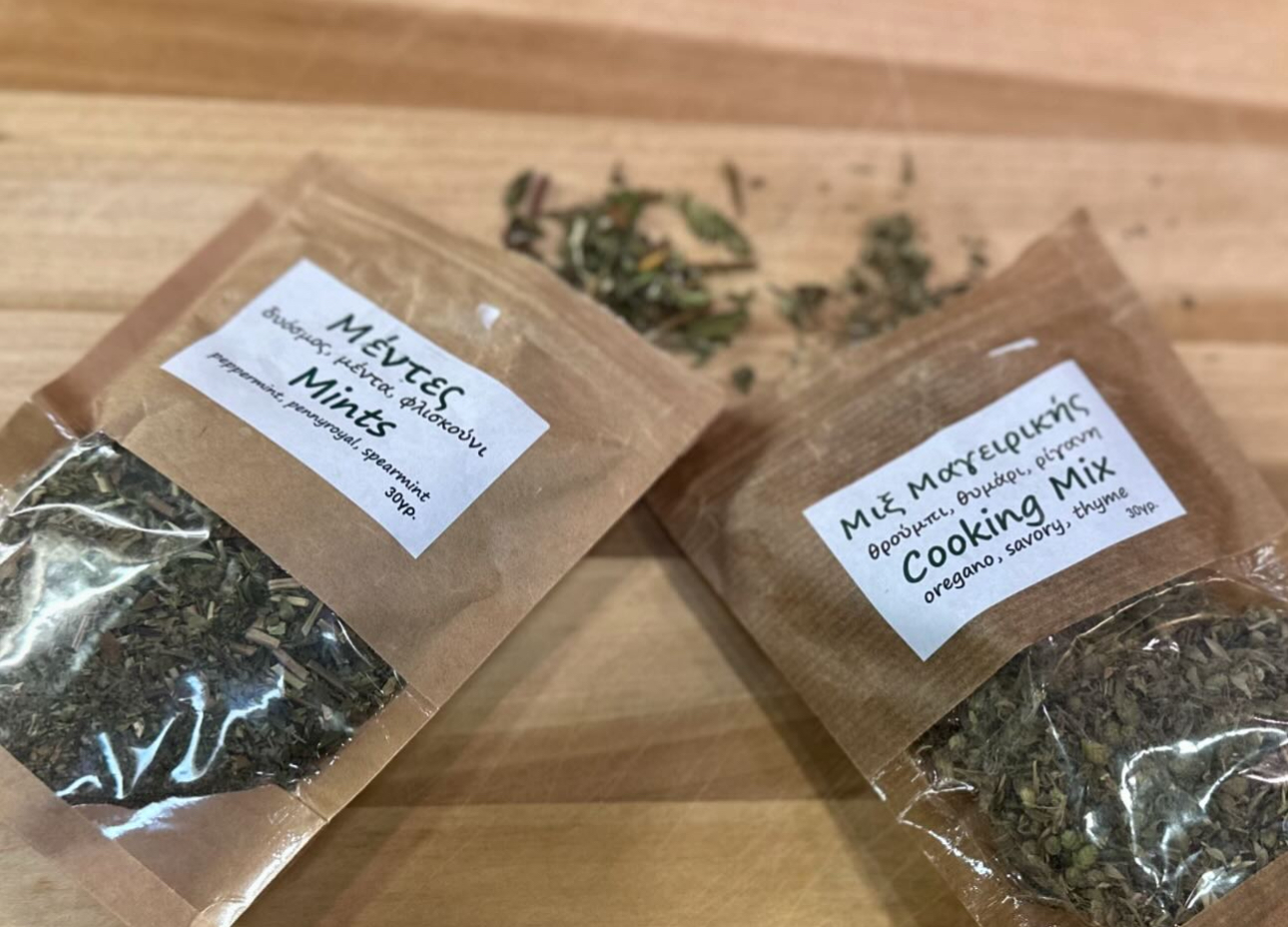
Additionally, the Ikarians start and end their day with a cup of light herbal tea and those who do drink coffee do so with breakfast, not before. The herbal teas are made from wild foraged or home grown organic fresh herbs that are native to the island and hold many health and medicinal benefits. Many of these can be found and grown in the US as well. A few of these herbs are –
- Mint
- Chamomile
- Cistus (aka Rock Rose)
- Rosemary
- Oregano
- Thyme
Note, these are the same fresh herbs they use on top of salads as well as mixed into other food dishes for flavor. See my blog on a breakdown of many more of the herbs used in Ikaria both for cooking as well as for medicinal teas HERE
Sources:
George Karimalis, Ikarian, longevity expert and owner of Karimalis Farm and Winery – https://www.ikarianwine.gr/en
Sociodemographic and Lifestyle Statistics of Oldest Old People (>80 Years) Living in Ikaria Island: The Ikaria Study
https://www.ncbi.nlm.nih.gov/pmc/articles/PMC3051199/
https://www.ncbi.nlm.nih.gov/pmc/articles/PMC6914977/
https://www.ncbi.nlm.nih.gov/pmc/articles/PMC8074281/
Estimated prevalence of diabetes in the United StatesTotal: 38.4 million people of all ages had diabetes (11.6% of the population) in 2021. 38.1 million were adults ages 18 years or older. Ikaria in comparison, diabetes is reported to affect 8.0% of the population aged 15 and over
https://www.mdpi.com/2072-6643/13/4/1386
Diabetes is higher in developed than in developing countries. The number of adults with diabetes in the world will rise from 135 million in 1995 to 300 million in the year 2025.
https://www.statista.com/statistics/240883/number-of-diabetes-diagnosis-in-the-united-states/


 Veggies: celery, white onion, shallots, red onion, okra, bell peppers – red, orange, yellow and green bell pepper, organic okra, jalapeño pepper, poblano pepper, habanero pepper, serrano pepper, Anaheim pepper, la rouge pepper, lime and diced or crushed organic tomatoes.
 Prepare Ingredients: